Myopia management: a guide for parents
15 October, 2026 | 2:00 PMMyopia, or short-sightedness, makes things far away look blurry. In children it often gets worse as they grow. Myopia management aims to slow that change, using special glasses, eye drops or overnight lenses, plus healthy daily habits.
For myopia at every age, see myopia.
What myopia is
In a short-sighted eye, the eyeball has grown a little too long. Light comes to a focus just in front of the retina. Close-up things look clear, and distant things look blurry. Myopia often starts in the school years and tends to run in families.
Why progression matters
Myopia usually increases while a child is growing. A higher prescription means stronger glasses. It is also linked with a higher chance of eye problems later in life, such as retinal detachment, glaucoma, cataract and damage to the back of the eye.
Slowing progression in childhood aims to keep your child's final prescription lower. Your child will still need glasses or lenses to see clearly.
Options we offer
Your optometrist will recommend what suits your child's eyes, age and lifestyle.
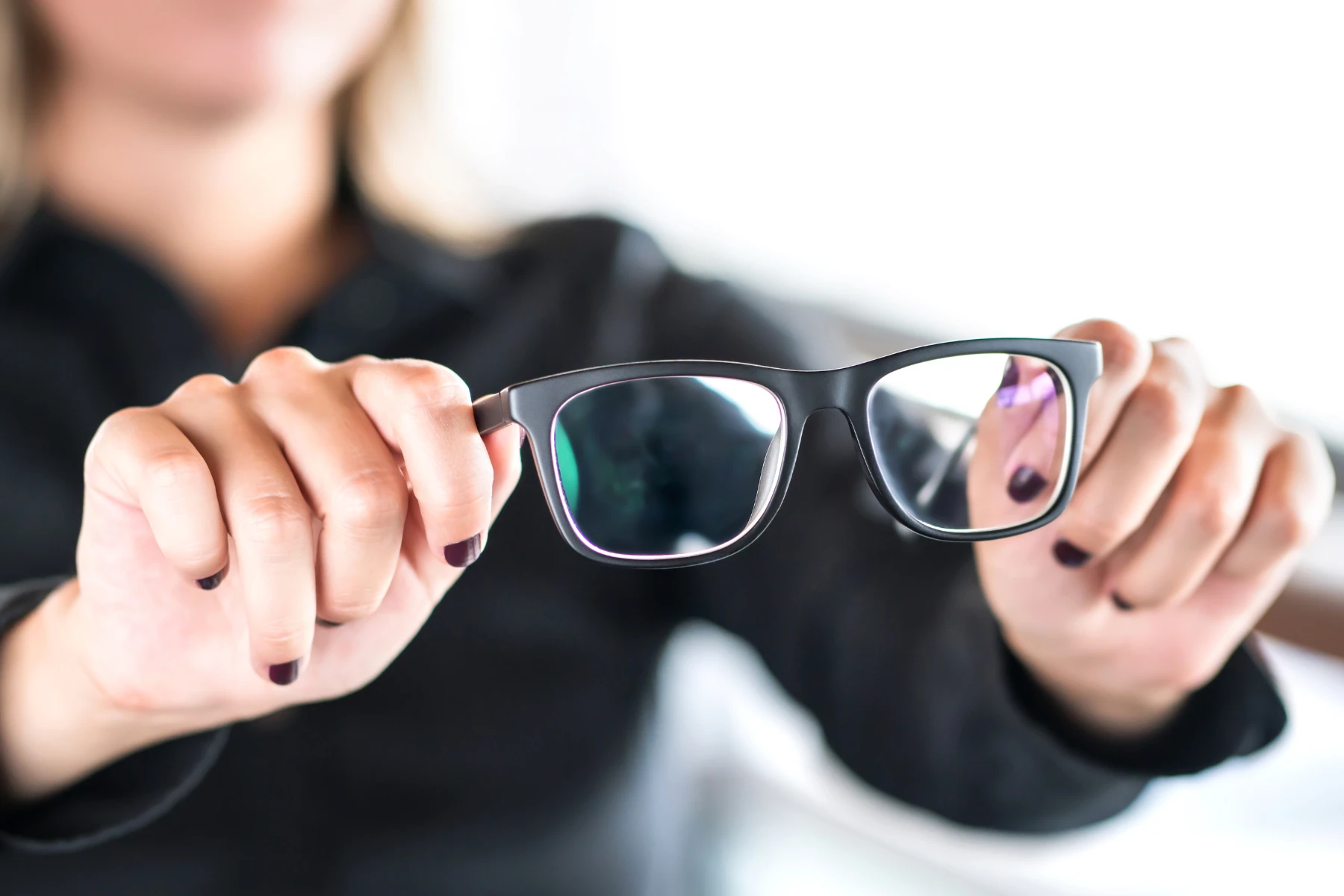
- MiYOSMART spectacle lenses. These lenses have a clear centre for sharp vision. Around it is a zone of tiny lens segments designed to slow how fast the eye grows. In a two-year study of children aged 8 to 13, short-sightedness increased more slowly in children wearing these lenses than in children wearing standard glasses. Your child wears them like everyday glasses.
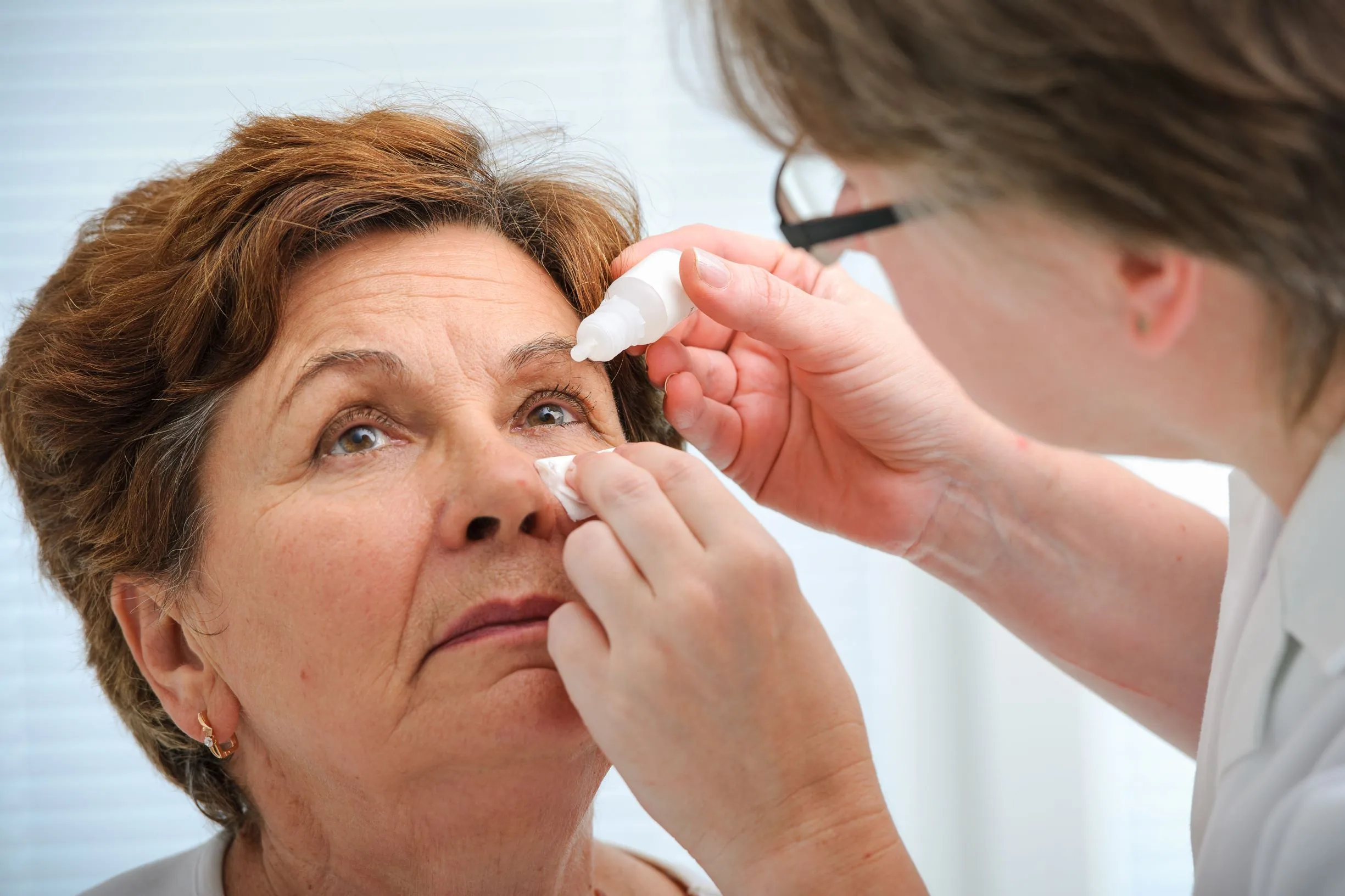
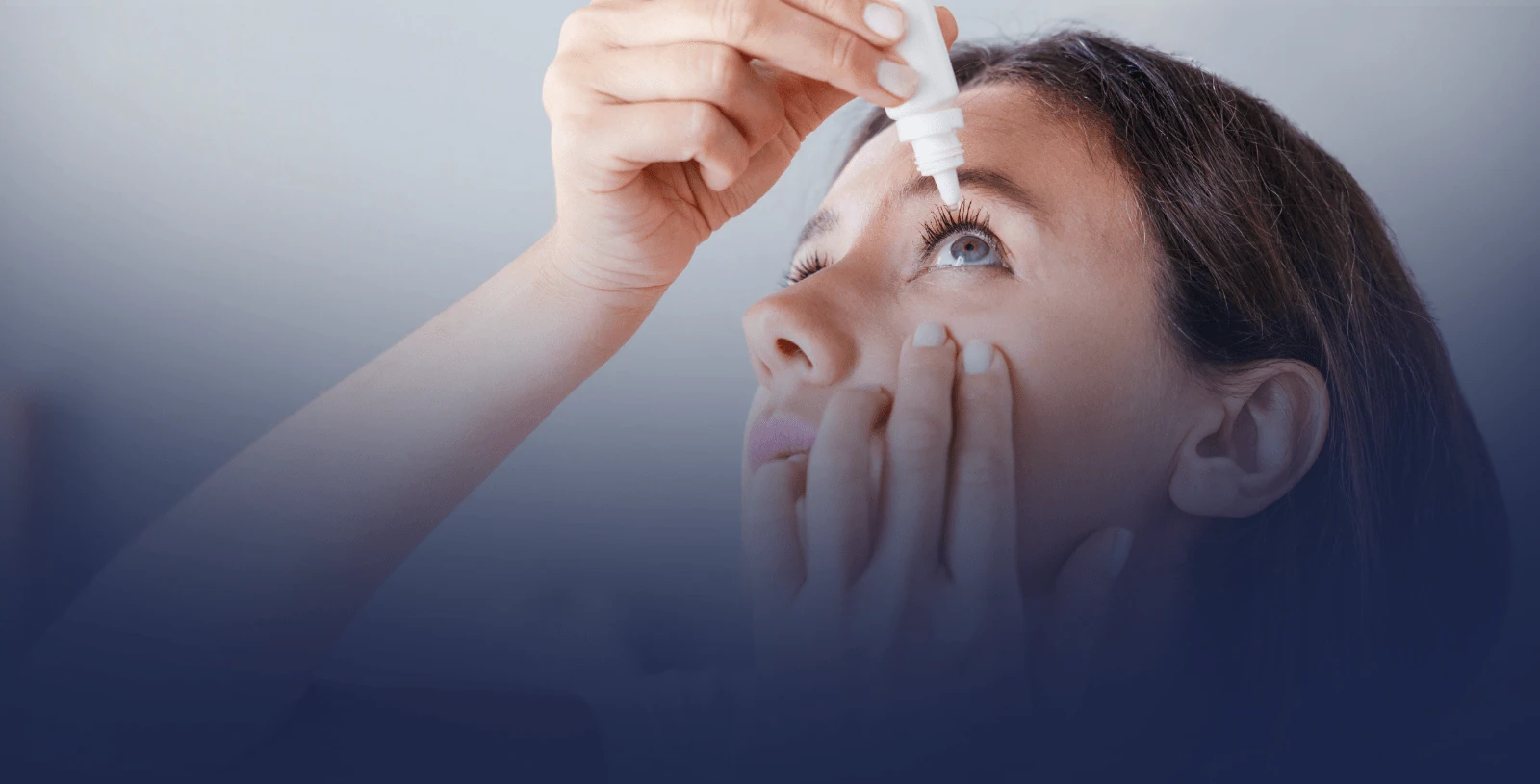
- Low-dose atropine eye drops, if your optometrist prescribes them. Usually one drop in each eye at night, as your optometrist directs. Some children notice mild light sensitivity or blurry close vision. Tell us if this happens.
- Ortho-K overnight lenses. Rigid lenses worn while sleeping. They reshape the front of the eye temporarily, so your child can see clearly during the day without glasses. See our ortho-K guide.
Some children use more than one option together. Results vary from child to child, so regular check-ups matter.
Daily habits that may help
- Outdoor time. Aim for at least two hours outside each day, in total. Sport, play and walking to school all count. Use a hat and sunglasses.
- Near-work breaks. Every 20 minutes of reading or screens, look at something far away for 20 seconds.
- Distance. Keep books and screens at a comfortable distance from the face.
- Good light. Read in a well-lit room.
- Screen limits. Set limits on recreational screen time, especially for younger children.
Check-ups
Children having myopia management are usually seen every six months. We measure their prescription and, where needed, the length of the eye.
When to call us on (03) 9702 9118
- Your child squints, sits closer to the TV, or says the board is blurry
- Your child has headaches or sore eyes with near work
- Eye drops seem to cause ongoing discomfort, redness or strong light sensitivity
- An ortho-K wearer has a red or painful eye. Leave the lenses out and call the same day.
Go to the Royal Victorian Eye and Ear Hospital emergency department (32 Gisborne Street, East Melbourne, open 24 hours), or call 000, if
your child has sudden vision loss, a sudden shower of floaters or flashes of light, or a painful red eye that is getting worse and you cannot reach us.
To book a children's eye test, book online or call us on (03) 9702 9118.
FAQs
Can my child grow out of myopia?
Myopia usually stays once it starts. It tends to increase while the eyes are growing, and usually slows down in the mid to late teens. In some people it keeps changing into their twenties.
Will glasses make my child's myopia worse?
No. Wearing the correct glasses helps your child see clearly. Your optometrist will tell you when they need to wear them.
Is myopia management suitable for every child?
Your optometrist will advise. It depends on your child's age, prescription, how quickly it is changing and family history.
Do we still need regular eye tests?
Yes. Regular check-ups show whether the plan is working for your child, and whether anything needs to change.
Popular guides